Hoop Lane Bulky Rubbish Collection Services Golders Green: A Practical Guide to Fast, Sensible Clearance
If you are dealing with a heavy sofa, an old wardrobe, broken shelving, or a small mountain of mixed household clutter, Hoop Lane Bulky Rubbish Collection Services Golders Green can be the simplest way to get space back without turning your week upside down. Truth be told, bulky waste always feels bigger once it is sitting in the hallway. One chair becomes two, then there is a table, then the bit of carpet nobody asked for. This guide explains how bulky rubbish collection works in the Hoop Lane and Golders Green area, what to expect, what to avoid, and how to make a tidy job of it.
You will also find useful comparisons, a step-by-step process, a realistic checklist, and a few local-minded tips that make planning easier. If your clearance needs are broader than one or two items, you may also want to look at general waste removal or a more specific service like furniture disposal depending on what you are getting rid of.
Table of Contents
- Why Hoop Lane Bulky Rubbish Collection Services Golders Green Matters
- How Hoop Lane Bulky Rubbish Collection Services Golders Green Works
- Key Benefits and Practical Advantages
- Who This Is For and When It Makes Sense
- Step-by-Step Guidance
- Expert Tips for Better Results
- Common Mistakes to Avoid
- Tools, Resources and Recommendations
- Law, Compliance, Standards, or Best Practice
- Options, Methods, or Comparison Table
- Case Study or Real-World Example
- Practical Checklist
- Conclusion
- Frequently Asked Questions
Why Hoop Lane Bulky Rubbish Collection Services Golders Green Matters
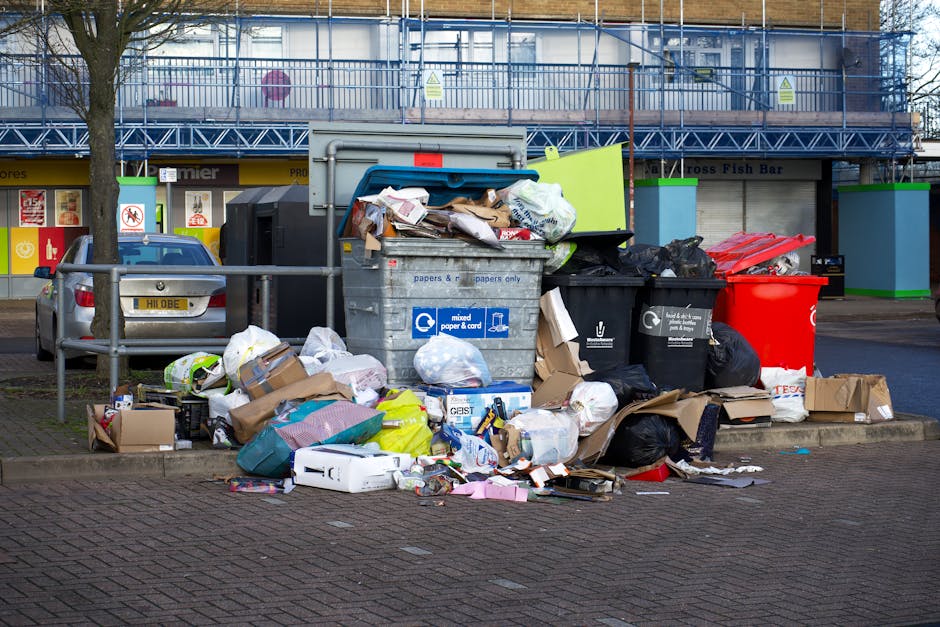
Bulky rubbish is different from everyday bin waste. It is awkward, heavy, often dusty, and frequently too large for a normal lift, stairwell, or car boot. In a busy part of North West London, that creates two obvious problems: storage and movement. Nobody wants a mattress leaning against the wall for three weeks, and nobody wants to drag a fridge through a narrow entrance during the school run. Let's face it, most people just want it gone properly.
Hoop Lane Bulky Rubbish Collection Services Golders Green matters because it deals with the kind of items that disrupt daily life: old furniture, appliances, broken cabinets, redundant office fittings, garage clutter, and garden waste that has started to look more like a long-term resident than a temporary pile. Good bulky collection is not only about removal. It is about safe lifting, responsible handling, and leaving your space usable again.
There is also a practical local angle. Golders Green homes, flats, converted buildings, and mixed-use properties often have shared access, stairwells, or limited street space. That means a collection crew needs to think ahead, work efficiently, and avoid causing hassle for neighbours. A well-run collection saves time, reduces stress, and prevents damage to walls, floors, and door frames. That alone is worth a lot.
Expert summary: the best bulky rubbish collection is the one that feels almost invisible to the resident. Clear communication, punctual arrival, careful moving, and proper disposal. Simple, but not always easy.
How Hoop Lane Bulky Rubbish Collection Services Golders Green Works
The process is usually straightforward, though the exact approach depends on the size, type, and access conditions of the items. In practice, a professional bulky collection tends to follow a pattern that feels calm rather than chaotic.
1. Identify what needs removing
Start by listing the items. A single sofa is very different from a full flat clearance. If you are unsure whether something counts as bulky waste, ask yourself a simple question: would this be awkward for one person to carry safely down the stairs? If yes, it probably belongs in the bulky category.
2. Check the space and access
Think about where the items are located. Are they in a loft, basement, rear garden, office, or a flat with limited lift access? Access affects timing, labour, and, in some cases, the best removal method. A quick look at entrances, turns, and parking space can save a lot of back-and-forth later. Small detail, big difference.
3. Separate reusable, recyclable, and special items
Not everything belongs in the same stream. Furniture, mattresses, appliances, and mixed household waste may need different handling. If you have a fridge, freezer, or other appliance, it is worth checking a dedicated service such as fridge and appliance removal. For worn-out sleeping furniture, mattress and sofa disposal can be a more suitable route than treating everything as general rubbish.
4. Book the collection and confirm the details
A good booking conversation covers what needs taking, where it is, and any access issues. It also helps to mention if items are fragile, especially heavy, or likely to need dismantling. No one enjoys surprises at the front door.
5. Removal, loading, and final sweep
On the day, the crew should remove the items carefully, load them securely, and leave the area reasonably tidy. In some cases, they may dismantle larger items first to protect walls and doorways. A properly managed job usually feels quick, but not rushed. There is a difference.
Key Benefits and Practical Advantages
The biggest benefit of bulky rubbish collection is obvious: you get your space back. But there are several other advantages that matter just as much, especially if you are comparing options.
- Less lifting and less risk: bulky items are where slips, strains, and wall scuffs happen. A professional team helps reduce that risk.
- Faster turnaround: what might take you several journeys and a borrowed van can often be handled in a single visit.
- Better for busy households: if you work from home, have children around, or live in shared accommodation, speed matters more than people admit.
- Useful for end-of-tenancy moves: when time is tight, bulky collection can help you clear heavy items before check-out.
- More responsible disposal: when handled properly, useful materials can be separated for recycling or recovery where appropriate.
There is also a mental benefit. A cluttered room can feel oddly heavy. Once the sofa, broken cabinet, or old desk is gone, the room changes. It sounds a bit dramatic, perhaps, but you notice it instantly. The air feels clearer. The room is easier to clean. You can think again.
If your project involves larger household items rather than loose rubbish, you may find home clearance or house clearance more suitable, especially where several rooms need attention at once.
Who This Is For and When It Makes Sense
Hoop Lane Bulky Rubbish Collection Services Golders Green is not only for people who are moving house. It is useful in a lot of everyday situations, some of them quite ordinary. That is the point, really. Most bulky waste jobs are not dramatic. They are just inconvenient.
Typical users include:
- tenants clearing old furniture before a move
- homeowners replacing a sofa, bed, wardrobe, or dining set
- landlords preparing a property for new occupants
- letting agents who need fast turnaround between tenancies
- small businesses clearing reception, office, or storage items
- people sorting out garages, lofts, and garden sheds
It also makes sense when the items are simply too awkward for standard disposal. A chair with broken legs, a damp mattress, or a bulky cabinet with no second-life use is often not worth the faff of trying to move it yourself. If the item is heavy, dirty, or difficult to dismantle, you will probably save energy by arranging proper collection instead of wrestling with it on a Saturday morning. That sort of Saturday has a way of becoming a whole weekend.
When a specialist approach is sensible
Some clearances are not just about size. They involve condition, material, or handling concerns. For example, a garage piled with mixed waste may be better handled as a garage clearance, while a room full of old chairs and tables may be better treated as furniture clearance. If the items are linked to renovation or construction work, builders waste clearance may be the right fit.
Step-by-Step Guidance
Here is a practical way to handle bulky rubbish collection without overcomplicating it. Nothing fancy. Just a reliable sequence.
- Walk through the property. Note every item you want removed. Include anything in storage spaces, under stairs, or behind doors.
- Flag the difficult items. Mention anything that is heavy, broken, sharp-edged, water-damaged, or awkward to access.
- Separate what should stay. This sounds basic, but it prevents accidental removal. A label or a small note can help in busy homes.
- Check whether any items need special handling. Appliances, confidential documents, or hazardous materials should not be bundled into one pile.
- Ask for the most appropriate service. If the job is more than one or two large items, it may make sense to combine it with flat clearance or office clearance.
- Prepare access. Move cars if needed, unlock gates, and make stairways as clear as possible. A few minutes of prep can save a lot of time.
- Confirm payment, timing, and expectations. Clarity here prevents awkwardness later. Very useful, honestly.
- After removal, check the area. Make sure nothing important has been taken and that the space is left in decent shape.
If you are sorting a larger pile of miscellaneous waste and not just furniture, it is worth looking at general waste removal alongside bulky collection. That way, everything can be handled in one sensible pass rather than in fragments.
Expert Tips for Better Results
Over the years, the smoothest bulky rubbish jobs tend to come down to planning. Not obsessive planning. Just enough to avoid the obvious snags.
- Take photos before you book. It helps clarify quantity, size, and access. A picture can prevent a long phone call and a wrong assumption.
- Measure tight spaces. Doorways, stair bends, and lift sizes matter more than you think. One centimetre can be the difference between easy and impossible.
- Group items by type. Furniture together, appliances together, mixed waste together. It keeps the job cleaner and more efficient.
- Remove small loose items first. Things like cushions, shelves, baskets, or cables make bulky furniture harder to lift safely.
- Ask about recycling and recovery. If an item can be reused or broken down responsibly, that is usually better than sending everything to disposal.
- Keep parking and access in mind. In a place like Golders Green, a blocked entrance can slow everything down. And nobody wants that.
A small human tip: if a job looks borderline too much for one person, it probably is. Better to say so early. Nobody wins by pretending a sofa is light because it has "quite a slim frame". We have all been there, more or less.
Common Mistakes to Avoid
Bulky rubbish jobs usually go wrong in predictable ways. The good news is that they are easy to avoid once you know what to look for.
- Underestimating the amount of waste. One room can hide a surprising amount of material once you start clearing properly.
- Ignoring access problems. Narrow stairs, tight hallways, and limited parking can turn a quick job into a slow one.
- Mixing special items into general waste. Appliances, confidential paperwork, or anything potentially hazardous should be handled separately.
- Leaving it until the last minute. This is the classic one. It usually creates stress, rushed decisions, and extra cost.
- Forgetting to protect floors and corners. If you are moving items yourself before collection, lay down a blanket or sheet where appropriate.
- Assuming every provider works the same way. They do not. Some are better with single bulky items, others are better with full clearances.
One more thing: do not try to save a little time by dragging heavy items across polished floors. That little shortcut has a tendency to become a scratch you stare at for years. Not ideal.
Tools, Resources and Recommendations
You do not need a long shopping list for bulky rubbish collection, but a few practical tools can help you prepare better.
- Measuring tape: useful for checking furniture dimensions and access routes.
- Bin bags or boxes: good for loose bits, screws, shelves, or smaller items that need grouping.
- Marker pen and labels: a simple way to identify what stays and what goes.
- Gloves: sensible for dusty loft items, garden waste, or broken furniture edges.
- Camera phone: helpful for sharing photos and confirming the scope of work.
When you are comparing clearance options, a few related pages can help you narrow the right service. For furniture-heavy jobs, see furniture disposal. For sleeping furniture, use mattress and sofa disposal. For mixed domestic jobs, flat clearance or house clearance may be more efficient.
If you are preparing a more complex job, it can also help to review the company's approach to pricing and quotes, especially if the work involves access issues or several item types. Clear pricing conversations are boring in the best possible way.
Law, Compliance, Standards, or Best Practice
When bulky rubbish is collected in the UK, the main thing to remember is that waste should be handled responsibly by a suitable operator. You do not need to become a legal expert to make a sensible choice, but you should expect proper care, clear communication, and lawful disposal routes where relevant.
Good practice usually includes careful segregation, responsible loading, and attention to items that need special handling. That means not everything goes in one heap. For example, electrical appliances, confidential papers, and potentially hazardous materials should be treated with extra care. If you are not sure what something is, ask before it is moved. Simple as that.
For households and businesses, it is also wise to think about duty of care in practical terms: using a provider that can explain where material goes, how it is sorted, and what happens to reusable items. If sustainability matters to you, review the company's recycling and sustainability approach. It gives you a better sense of whether the service matches your expectations.
Insurance and safe working practice matter too, especially in shared buildings or narrow access areas. A clear policy on insurance and safety is reassuring because bulky lifting is exactly the sort of job where things can go wrong if corners are cut. Good operators should be able to work cautiously, not theatrically.
If your bulky rubbish includes items that are sharp, contaminated, electrical, or otherwise unsuitable for casual handling, mention this up front. A responsible provider will treat the issue carefully and advise on the right route, rather than improvising.
Options, Methods, or Comparison Table
There are a few ways to clear bulky rubbish, and the right one depends on volume, speed, access, and how much involvement you want. Here is a straightforward comparison.
| Method | Best for | Pros | Trade-offs |
|---|---|---|---|
| Bulky rubbish collection | One-off large items or a small pile of heavy waste | Fast, simple, minimal effort for the customer | May not suit very large mixed clearances |
| Furniture-specific disposal | Sofas, chairs, tables, wardrobes, beds | Good fit for item-based jobs, often more efficient | Less suitable for mixed rubbish or room-by-room clearances |
| Flat or house clearance | Multiple rooms, end-of-tenancy, probate, or major declutter | More comprehensive, handles mixed contents well | Usually more involved than a simple bulky item collection |
| General waste removal | Mixed domestic or light commercial waste | Flexible for combined waste streams | May not be ideal for a single oversized item |
If you are only getting rid of a couple of large items, bulky collection is often the cleanest choice. If the job keeps growing while you look at it, well, that is usually a sign to step up to a broader clearance.
Case Study or Real-World Example
A fairly typical local job might look like this: a resident in Golders Green has replaced a sofa and two armchairs after years of wear. The items are still in the front room, the hallway is tight, and there is not much room to manoeuvre. On top of that, there is an old coffee table in the back room and a tired mattress upstairs. Not a huge project, but definitely too awkward to leave for another weekend.
The smart move is to group the furniture, measure the narrowest points, and make sure the route to the exit is clear. If the mattress and sofa are both being removed, a mixed furniture approach is often simpler than trying to split the job into bits. In a case like this, using a furniture-focused service or combining it with a wider home clearance usually saves time and keeps the hallway clear for the rest of the day.
The resident usually notices three things after the collection: the room feels bigger, the cleaning becomes easier, and the stress drops almost immediately. A small job on paper, but a huge difference in the house. That is why good bulky rubbish collection is so useful. It removes friction, not just objects.
For bigger projects, especially where there is also loft clutter, consider whether loft clearance might be a better fit. Loft jobs tend to hide a lot of forgotten bulky pieces up there, usually under a layer of dust and half-finished ideas.
Practical Checklist
Use this checklist before your collection day. It is simple, but it catches the usual problems.
- List every item that needs to go
- Measure large furniture and tight access points
- Separate items that should stay
- Check whether any item needs special handling
- Clear a path to the exit
- Move vehicles if parking space is needed
- Protect floors if you are shifting items yourself
- Confirm the timing and scope of the collection
- Ask about recycling or reuse where relevant
- Review payment details and any service terms before the day
If you are handling more sensitive material as part of the same job, do not mix it in without checking first. For example, paperwork from an office move may need confidential shredding, while a business move may call for business waste removal rather than a purely domestic clearance route.
Conclusion
Hoop Lane Bulky Rubbish Collection Services Golders Green is really about making a difficult, heavy, awkward job feel manageable. Whether you are clearing a single large item or sorting several pieces of old furniture, the right approach saves time, reduces strain, and helps you avoid unnecessary hassle. The key is to plan the collection properly, separate special items, and choose the service that matches the job instead of forcing everything into one bucket.
For many people, the most satisfying part is not the removal itself. It is the moment afterwards, when the room looks normal again and you can walk through without sidestepping a sofa arm or old cabinet door. That little bit of breathing room matters more than people expect.
Get a free quote today and see how much you can save.
And if you are still deciding how much help you need, remember that a good clearance service should make life easier, not more complicated. Clear space has a way of clearing the mind too. Funny how that works.
Frequently Asked Questions
What counts as bulky rubbish in Golders Green?
Bulky rubbish usually means large or awkward items that are too heavy, too big, or too inconvenient for standard bin collection. Sofas, beds, wardrobes, tables, cabinets, and some appliances are common examples.
Can I book a collection for just one item?
Yes, single-item collections are often possible. A lone sofa or mattress is a very common request, and it is usually worth arranging a proper removal rather than trying to move it yourself.
Is bulky rubbish collection different from furniture disposal?
Often, yes. Bulky rubbish collection is broader, while furniture disposal is more item-specific. If the job is mainly sofas, chairs, or tables, a furniture-focused service may be more efficient.
What if my items are in a flat with stairs?
That is fine in many cases, but access should be mentioned when you book. Narrow stairs, lift access, and shared hallways can affect the time and method needed.
Do I need to separate recyclable items before collection?
It helps if you can, especially for mixed waste. That said, a good collection service should be able to explain how different materials will be handled and whether any items need separate treatment.
Can appliances be collected with bulky rubbish?
Sometimes yes, but appliances often need specific handling. Fridges, freezers, and similar items are best discussed separately so they can be handled correctly and safely.
Is it better to use bulky collection or a full house clearance?
If you only have a few large items, bulky collection is usually the better fit. If several rooms are involved, or the contents are mixed, a house clearance may be more practical.
How do I prepare for a bulky rubbish pickup?
Make a list of items, clear access, remove small loose objects, and confirm any special items in advance. A few minutes of prep usually makes the collection smoother.
What should I do with confidential papers or office materials?
Do not put them in with general bulky waste. If you have sensitive documents, a dedicated confidential shredding route is more appropriate.
Will bulky rubbish collection damage my walls or floors?
It should not, if handled properly. Careful lifting, good planning, and sensible use of protective methods all help reduce the risk. This is where experienced handling really matters.
How can I tell if I need a specialist disposal service?
If the item is hazardous, electrical, unusually heavy, contaminated, or awkward to dismantle, a specialist route is usually the safer option. When in doubt, describe the item before booking.
What is the best next step if I am not sure what service I need?
Start by listing the items and checking whether the job is mainly furniture, general waste, or a full property clearance. Then use the most relevant service page or ask for advice so the job is matched properly from the start.