Golders Hill Park Waste Removal and Litter Clearance Tips
If you have ever walked through Golders Hill Park on a busy afternoon, you will know how quickly a lovely green space can start to feel tired when cups, wrappers, bottles, and little piles of waste build up. Golders Hill Park waste removal and litter clearance tips are not just about tidiness; they help protect the park's atmosphere, keep paths pleasant, and make the space safer for everyone who uses it.
Whether you are organising a community tidy-up, helping after an event, managing waste from nearby visitors, or simply trying to do the right thing on a day out, a sensible approach makes a real difference. In this guide, you will find practical, human advice on clearing litter well, sorting waste properly, avoiding common mistakes, and knowing when a more structured waste service is the right move.
Why Golders Hill Park Waste Removal and Litter Clearance Tips Matters
Golders Hill Park is the kind of place people use in lots of different ways: a quick walk, a family picnic, a quiet sit on a bench, a run, a dog walk, or a longer day out that turns into a bit of an impromptu gathering. That variety is lovely, but it also means litter and small-scale waste can appear fast. One picnic group leaves behind packaging. A takeaway drink spills over. Someone drops napkins in the grass and does not notice. It happens.
That is why good litter clearance is worth thinking about properly. It is not only about keeping the park looking good in the moment, though that matters. It also reduces slip hazards, helps wildlife avoid ingesting small waste items, and stops rubbish from being blown into planted areas, paths, and drainage points. If you have ever seen a crisp packet fluttering around on a windy day, you know how quickly one item becomes five.
There is also a community side to this. Clean surroundings shape how people behave. A tidy park tends to stay tidier, while a neglected corner can invite more careless dumping. Small effort, repeated well, adds up. Truth be told, that is often how the best public-space maintenance works: not one dramatic clean, but consistent, sensible habits.
For businesses, community groups, and homeowners nearby, the topic can overlap with larger clearances too. If waste from a project becomes more than a bag or two, looking at broader support such as waste removal or even garden clearance can make the job safer and less stressful.
How Golders Hill Park Waste Removal and Litter Clearance Tips Works
At a practical level, litter clearance in and around a park works best when it is planned, selective, and safe. That means you are not just scooping up visible rubbish. You are thinking through what type of waste it is, how much there is, where it came from, and how it should be contained or disposed of once collected.
For a small litter-pick, the process is simple:
- walk the area and identify waste hotspots
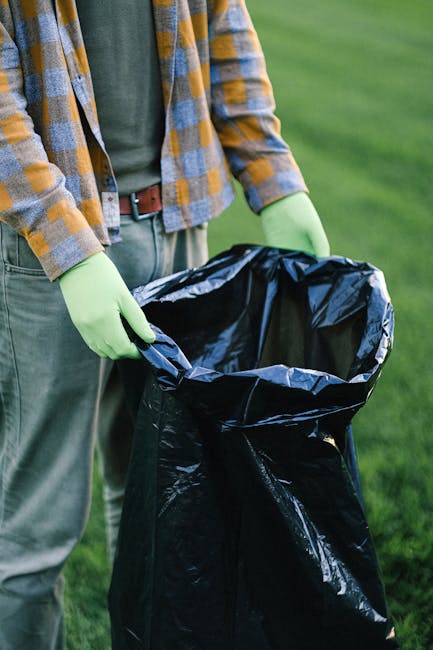
- collect litter using gloves, grabbers, or a litter picker
- separate recyclables where practical
- bag waste securely so it cannot spill or blow away
- dispose of it through the correct route
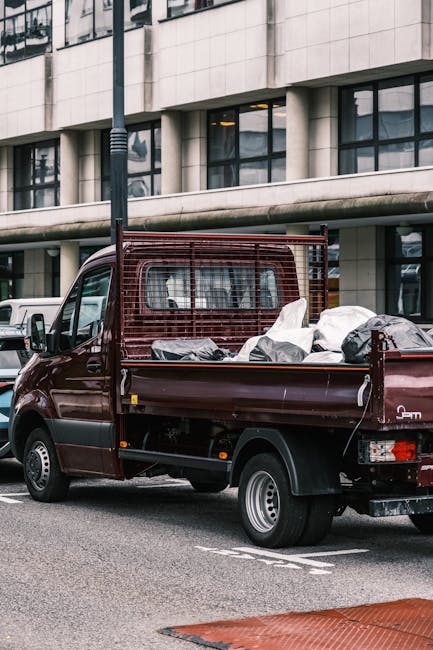
For a larger clean-up, the approach becomes more organised. Teams may divide the park into zones, use different bags for different waste types, and set a clear point where collected rubbish is stored temporarily. If bulky items appear, such as broken chairs, old picnic furniture, or discarded household items, a proper clearance plan matters much more than a quick tidy.
That is where a service like flat clearance or home clearance may become relevant for nearby properties or community spaces with mixed waste. It is not a park service in the strict sense, of course, but the same logic applies: separate, contain, remove, and recycle where possible.
One important point: not every item should be handled the same way. Food packaging and paper waste are usually straightforward. Broken glass, syringes, chemicals, fridges, paint tins, and unknown liquids are another matter entirely. Those items call for extra care, and in some cases specialist handling. If that sounds a bit serious, well, it is. Better safe than sorry.
Key Benefits and Practical Advantages
Good park waste removal is one of those things people only really notice when it is missing. When it is done properly, everything feels calmer. The paths are more inviting. The grass looks cared for. People relax. That may sound obvious, but it is the kind of everyday benefit that shapes the whole experience of a place.
Here are the main advantages:
- Cleaner public spaces: the park looks and feels better for visitors.
- Lower safety risk: fewer sharp objects, slippery remnants, and trip hazards.
- Better wildlife protection: less chance of animals encountering harmful waste.
- More efficient disposal: sorted waste is easier to move and recycle.
- Stronger community pride: people are more likely to respect tidy areas.
- Less stress for organisers: a clear system reduces last-minute chaos.
There is also a financial and operational angle. When waste is sorted early, you avoid paying for unnecessary mixed loads, repeated trips, or emergency collections. For larger jobs, especially if litter is mixed with furniture or building debris, a planned approach can save a surprising amount of time.
For example, if you are dealing with a spillover from works nearby, a service such as builders waste clearance may be more appropriate than trying to manage everything as ordinary rubbish. Same principle, different setting.
Who This Is For and When It Makes Sense
This topic is useful for a lot of people, not just park managers or council teams. In our experience, the readers who need this advice most are usually the ones trying to solve a practical problem quickly without making a bigger mess of it.
You may find these tips especially helpful if you are:
- organising a local litter-pick or volunteer day
- managing waste after a picnic, party, or community event
- supporting a local business or cafe that serves park visitors
- looking after nearby residential waste that keeps blowing into shared spaces
- dealing with bulky or mixed rubbish close to the park
- trying to improve recycling habits in a public or semi-public setting
It also makes sense when the waste picture is a bit messy. Maybe there are coffee cups and snack wrappers, but also a broken parasol frame and a soggy cardboard box. Maybe you are thinking, "Can I handle this myself, or should I call for help?" That is a fair question. If the waste is light, clean, and easy to bag, a basic clearance plan may be enough. If it is bulky, heavy, potentially hazardous, or likely to take several trips, you are probably looking at a more structured removal route.
For indoor or property-related overflow, nearby services such as house clearance or office clearance can support a larger clean-up programme. Different job, same idea: take the waste out in an organised way rather than improvising at the last minute.
Step-by-Step Guidance
If you want a simple process that actually works, keep it as straightforward as possible. Fancy systems tend to fall apart when people are tired, busy, or trying to leave by 4pm because the weather has turned. A clear routine works better.
- Start with a walk-through. Look for visible litter, hidden corners, and areas around benches, bins, entrances, and picnic spots.
- Check the waste type. Separate general litter, recyclables, food waste, sharp items, and bulky objects before you begin.
- Set up your collection method. Use sturdy bags, gloves, and grabbers. If you are collecting a lot, organise bags by category.
- Clear the easy items first. Small wrappers, cups, napkins, and cans can be removed quickly and help create momentum.
- Handle awkward items carefully. Broken glass, metal edges, or unknown substances need extra caution and should not be rushed.
- Secure the load. Tie bags tightly, keep heavier objects low, and avoid overfilling bags so they do not split open.
- Move waste to the correct collection point. Do not leave bags where people can kick them over or where animals can get into them.
- Review what was found. If you keep seeing the same type of waste, think about what is causing it and how to prevent it next time.
A small but useful habit: keep one bag or container just for items that need checking before disposal. You know the kind of thing. An almost-empty drink bottle, a sealed container, a squashed box with a label, maybe something that looks recyclable but is too dirty to trust at a glance. That little pause can save mistakes later.
If you discover mixed waste that includes things like an appliance or an old mattress, it is usually better to stop improvising and look at a dedicated route such as fridge and appliance removal or mattress and sofa disposal. Those items are awkward for a reason.
Expert Tips for Better Results
The best litter clearance jobs are not always the biggest; they are the ones that are thought through. A few small adjustments can make the whole process smoother and safer.
- Work early or late when the park is quieter. It is easier to spot litter and avoid getting in people's way.
- Use the right gloves. Thin gloves may be fine for light litter, but they are not enough for sharp or damp waste.
- Do not over-sort on site. Keep it practical. If something is too contaminated to recycle, place it in general waste and move on.
- Watch the wind. A gusty day can undo five minutes of tidy work in two seconds. Annoying, but true.
- Keep one person on bag control. Bags left open are a classic problem. One person watching the collected waste makes a big difference.
- Take photos of problem spots before and after. Not for vanity, just for tracking repeat issues and planning future clean-ups.
If you are clearing waste around a park regularly, think in terms of prevention as much as removal. Better bin placement, clearer signs, and a routine collection schedule often reduce litter more effectively than a one-off deep clean. There is no magic trick here, just consistency.
Where waste is linked to a business or public-facing operation, a commercial service such as business waste removal may be worth comparing against ad hoc disposal. It depends on scale, but the broader the waste mix, the more planning pays off.
Common Mistakes to Avoid
Most mistakes in litter clearance are not dramatic. They are the small, boring ones that cause bigger problems later. The sort of thing you only realise after a bag tears, or someone has picked up something sharp without noticing. Let's keep it simple and avoid those headaches.
- Using weak bags: thin bags split easily when they meet wet paper, bottles, or broken packaging.
- Mixing sharp items with soft waste: this is how cuts happen, especially during handling or transport.
- Ignoring contamination: greasy food packaging often ruins recyclability, even if it looks like paper or card.
- Leaving waste overnight: bags can tear, attract animals, or be scattered by wind.
- Forgetting bulky items: a tidy-looking area can still hide one awkward object that needs special removal.
- Trying to do too much at once: rushed work usually leads to missed litter and poor sorting.
Another common slip is assuming all rubbish can be treated the same. It cannot. A takeaway cup, a broken garden pot, and a dead battery are not the same problem. If you spot hazardous or unusual waste, pause and deal with it cautiously. A dedicated route such as hazardous waste disposal is there for a reason.
And here is one that sounds obvious, but somehow still gets missed: do not fill bags so full that they cannot be tied properly. It looks efficient for about ten minutes, then becomes a mess. Heavy bags spill. People get frustrated. Nobody wins.
Tools, Resources and Recommendations
You do not need specialist equipment to do a decent litter clearance, but the right basic tools make everything easier. In practical terms, a tidy-up kit should be boring, sturdy, and easy to carry. Fancy gear is optional. Reliability is not.
Useful items include:
- thick gloves that fit properly
- litter pickers or grabbers
- heavy-duty bags
- recycling sacks where appropriate
- hand sanitiser or wipes
- a bucket or container for glass and sharp objects
- hi-vis clothing if you are near roads, paths, or busy footfall
If waste includes items from homes, lofts, garages, or storage spaces nearby, the right solution may be broader than park litter picking. You might need loft clearance, garage clearance, or even furniture clearance depending on what has been left out. It sounds like a detour, but it is often part of the same real-world waste picture.
For people who are planning to use a skip for a broader project, it is wise to check what can go in a skip before loading it. That avoids the awkward moment when prohibited items are discovered after the fact. Not ideal. Not fun either.
If you care about reducing the amount of material that ends up as general waste, look into the company's approach to recycling and sustainability. Even small improvements in sorting can make a difference over time.
Law, Compliance, Standards, or Best Practice
Waste handling in the UK is not something to be casual about. You do not need to become a legal expert to clear a park path, but you do need to act responsibly and follow common-sense compliance principles. That is especially true when waste is collected by a business, event organiser, or volunteer group managing material on behalf of others.
At a high level, good practice usually means:
- keeping waste under control so it does not escape into the environment
- separating items where that is practical and sensible
- avoiding unsafe handling of sharp, heavy, or unknown waste
- using suitable transport and disposal routes
- making sure waste is not fly-tipped or left in an unsuitable place
If you are operating as a business or on behalf of one, records, duty-of-care thinking, and responsible transfer to an appropriate handler matter. It is also sensible to understand insurance, safety procedures, and how waste is managed end to end. Pages such as insurance and safety and health and safety policy are useful signals that a provider takes those responsibilities seriously.
For confidential material, even in mixed waste situations, the right answer may be separate handling rather than general disposal. That is where confidential shredding can be relevant. Oddly enough, paper can cause more trouble than people expect when privacy is involved.
Where the waste stream involves commercial premises or frequent ongoing collections, it is also worth reviewing terms and conditions and payment and security so you know how the service is arranged and what to expect. That sort of clarity prevents arguments later, which is usually a good thing.
Options, Methods, or Comparison Table
There is no single best method for every situation. A quick litter-pick after a picnic is one thing. Clearing larger waste after a community event is another. Here is a simple comparison to help you judge what makes sense.
| Method | Best for | Pros | Watch out for |
|---|---|---|---|
| Manual litter picking | Small amounts of loose rubbish | Cheap, flexible, quick to start | Not ideal for bulky or hazardous waste |
| Bagged collection and drop-off | Organised community clear-ups | Simple to coordinate, good for sorting | Needs secure storage and transport |
| Dedicated waste removal service | Large, mixed, or awkward waste | Less lifting, faster clearance, clearer disposal route | May cost more than doing it yourself |
| Specialist disposal | Appliances, hazardous items, bulky furniture | Safer and more appropriate for restricted waste | Requires correct item identification in advance |
For many readers, the right answer is a mixture. You might clear light litter yourself and then bring in support for the awkward pieces. That hybrid approach is often the smartest one, and honestly, it is the least stressful too.
Case Study or Real-World Example
Picture a Sunday afternoon after a local family gathering near the park. There are paper plates, a few soft drink cans, napkins, and two bags of mixed waste that were left near a path rather than taken away. Nothing dramatic. Just enough to make the area look untidy and a little uninviting.
The first step is a quick site check. Volunteers divide the space into small sections so nobody overlaps or misses the edges near benches and hedges. One person handles bags, another uses a litter picker, and a third keeps an eye out for anything sharp or unusual. They find one broken picnic chair leg, a cracked plant pot, and a damp cardboard box that has gone soft in the rain.
Rather than forcing everything into ordinary bags, they separate the waste: light litter into one stream, recyclable cans into another where clean enough, and the broken awkward items into a side pile for proper removal. That makes the whole job cleaner and safer. It also means the final sweep is much quicker.
By the end, the area looks calm again. Not perfect, because parks never stay perfect for long, but restored. The most interesting bit is that the group does not just celebrate the clean-up; they note where waste built up. Near the entrance. Near the benches. Around the path end where people naturally paused. Next time, they can place bins or collection points a little better. That is the real win.
Practical Checklist
Use this before and during a litter clearance session. Keep it simple, and if something feels unsafe, stop and reassess.
- Have gloves, grabbers, and sturdy bags ready
- Check the area for sharp, heavy, or unusual waste
- Separate obvious recyclables where clean enough to do so
- Keep food waste, general litter, and special items apart if possible
- Do not overfill bags
- Keep collected waste in a safe, secure spot
- Arrange proper removal for bulky or hazardous items
- Review the area again before finishing
- Look for repeat problem spots
- Dispose of everything through the correct route
If your clean-up uncovers a larger amount of household-type waste, it may be sensible to look at flat clearance or home clearance options rather than trying to manage it all as litter. That little shift in thinking can save a lot of time.
Get a free quote today and see how much you can save.
Conclusion
Golders Hill Park waste removal and litter clearance tips come down to a simple principle: keep the work safe, keep it organised, and match the method to the waste in front of you. Small litter-picks are best handled quickly and carefully. Bigger, mixed, or awkward waste needs a more deliberate plan. There is no shame in using the right support when the job grows arms and legs.
Done well, litter clearance improves the park for everyone. It protects the landscape, reduces hazards, and helps people feel proud of the space. And that feeling matters. A clean park is not just visually nicer; it quietly changes how people use it and how they treat it next time.
So, whether you are tackling a handful of wrappers or planning a more involved clearance, start with the basics, think ahead, and keep things humane and practical. That is usually enough. Sometimes, refreshingly enough, simple really is best.
Frequently Asked Questions
What is the best way to clear litter in Golders Hill Park?
The best approach is to walk the area first, separate waste types where practical, use gloves and a litter picker, and bag everything securely before disposal. For larger or mixed waste, a structured removal plan is safer and more efficient.
Can I recycle park litter like cans and bottles?
Sometimes, yes, but only if the items are reasonably clean and uncontaminated. Food-stained packaging, wet paper, and heavily soiled items usually need to go with general waste. Keep it practical rather than trying to over-sort on the grass.
What should I do if I find broken glass or sharp metal?
Handle it carefully with proper gloves and tools, and place it in a rigid container if possible. Do not compress it into a soft bag with other waste. Sharp items deserve their own space, otherwise someone will get an unpleasant surprise later.
Is litter clearance different from full waste removal?
Yes. Litter clearance usually means collecting loose waste from a public area, while waste removal can include larger, bulkier, or mixed items that need transport and disposal. If the job includes furniture, appliances, or heavy household items, a dedicated service is usually more suitable.
When should I use a professional waste service instead of doing it myself?
Use a professional service when waste is bulky, repetitive, heavy, hazardous, or too much for a one-off bagging job. If you are spending more time moving rubbish than clearing it, that is often a sign the job has outgrown DIY handling.
What kind of waste is most common after a park visit?
Typical items include drink cans, food wrappers, napkins, bottles, takeaway containers, and small plastic packaging. On busy days, you may also find broken picnic items or abandoned bags of mixed rubbish.
How can I stop litter building up in the same place?
Look for patterns. If waste keeps appearing near benches, entrances, or paths, the issue may be bin placement, footfall, or poor visibility. Better collection points and regular checks are often more effective than occasional deep cleans.
Do I need special equipment for a litter pick?
Not usually. Good gloves, a litter picker, and strong bags are the basics. If you expect glass, heavy items, or damp waste, a rigid container and higher-grade gloves are a smart addition.
What should I do with bulky items left near the park?
Do not force bulky items into ordinary litter bags. Separate them and arrange appropriate removal. Depending on what they are, pages like furniture clearance, appliance removal, or waste removal may be the right next step.
Are there any safety issues I should think about first?
Yes. Wet surfaces, broken glass, needles, unknown liquids, sharp metal, and heavy bags are the main concerns. If something looks unsafe, do not guess. Pause, step back, and deal with it in the proper way.
How do I know if waste is hazardous?
If it includes chemicals, batteries, medical-type items, paint, fuel, or something you cannot identify easily, treat it as potentially hazardous. Do not mix it with ordinary litter. Use a cautious approach and separate handling where appropriate.
Can a business help with waste near a park even if it is not inside the park itself?
Yes, especially if nearby premises, events, or commercial activity are contributing to the waste problem. Business waste removal, builders waste clearance, or a broader clearance service can help when the issue is bigger than a simple tidy-up.